
Voiko energianhallintajärjestelmä mahdollistaa aidosti realistisen V2G-käyttötapauksen?
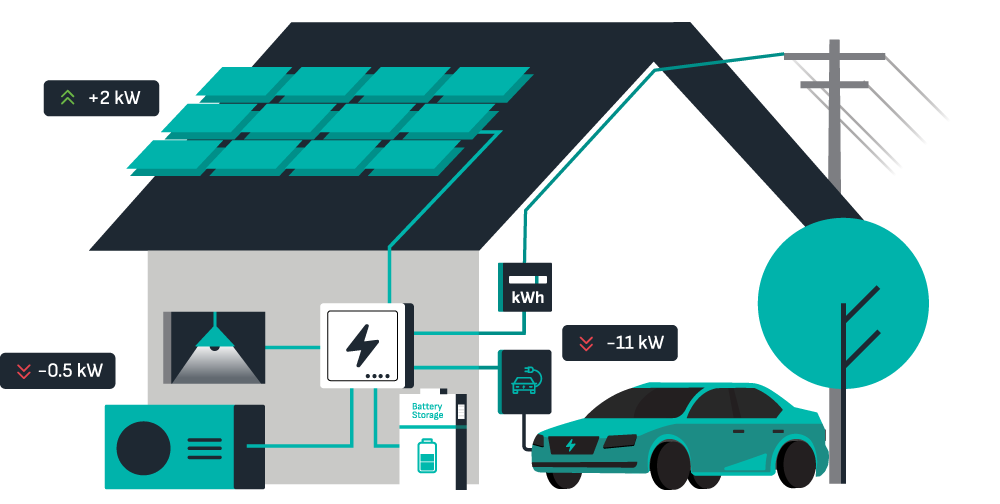
Nykyaikaisen kodin tai rakennuksen energiajärjestelmä ei ole enää yksinkertainen. Aurinkosähköjärjestelmät, kodin akut, sähköautojen latauslaitteet, lämpöpumput ja dynaamiset sähkötariffit ovat kaikki vuorovaikutuksessa keskenään - usein ristiriitaisin tavoin. Jokaisella laitteella on omat rajoituksensa, prioriteettinsa ja vaikutuksensa mukavuuteen, kustannuksiin ja verkon vakauteen.
Kaiken tämän tehokas koordinointi reaaliajassa vaatii muutakin kuin staattisia aikatauluja tai sääntöihin perustuvaa automaatiota. Se edellyttää älykkyyttä, joka pystyy mukautumaan jatkuvasti muuttuviin olosuhteisiin.
Miksi optimointi on vaikeampaa kuin miltä näyttää
Optimaalisen energiatehokkuuden saavuttaminen on jo ilman sähköautoja monimutkainen tehtävä. Järjestelmän, jonka tavoitteena on minimoida kustannukset ja maksimoida omavaraisuus, on jatkuvasti ennakoitava:
Miltä peruskuormituksen kulutus näyttää nykyään?
Milloin aurinkoenergian tuotannon huippu saavutetaan - ja kuinka jyrkkä ramppi on?
Miten sähkön hinta kehittyy päivän mittaan?
Onko parempi ladata nyt, myöhemmin vai ei lainkaan?
Näitä päätöksiä ei voi tehdä kerran päivässä. Niitä on tarkasteltava uudelleen jatkuvasti ennusteiden, kulutustottumusten ja markkinasignaalien muuttuessa.
Tässä kohtaa Reduxin tekoälyyn perustuva energianhallintajärjestelmä (EMS) tulee kuvaan mukaan. Yhdistämällä reaaliaikaiset mittaukset ja ennustavat mallit järjestelmä arvioi jatkuvasti vaihtoehtoja ja mukauttaa energiavirtoja koko päivän ajan - ilman jatkuvaa käyttäjän panosta.
V2G on jo teknisesti mahdollista - mutta ei triviaalia.
V2G (Vehicle-to-Grid) tuo aivan uuden ulottuvuuden.
Toisin kuin paikallaan olevat akut, sähköajoneuvo on liikkuva. Se ei ole aina yhteydessä. Sen saatavuus vaihtelee. Sen varaustila muuttuu rakennuksen ulkopuolella. Ja sen ensisijaista tehtävää - liikkuvuutta - on aina kunnioitettava.
Valvonnan näkökulmasta tämä herättää lisäkysymyksiä:
Milloin ajoneuvo kytketään verkkoon?
Kuinka kauan se pysyy kytkettynä?
Kuinka paljon energiaa voidaan purkaa vaarantamatta seuraavaa matkaa?
Voidaanko sähköautoa käyttää luotettavasti kulutushuippujen säästämiseen, oman kulutuksen optimointiin tai verkon tukemiseen?
Reduxi EMS: V2G-ohjaus on jo tuettu
Tärkeää, Reduxi EMS tukee jo nyt V2G-yhteensopivien latureiden ja ajoneuvojen suoraa ohjausta..
Tänään Reduxi voi:
kommunikoida V2G-latauslaitteet, kuten Ambibox,
ajoneuvon akun lataaminen ja purkaminen tarpeen mukaan,
integroida sähköauto aktiiviseksi energialähteeksi aurinkosähkön ja paikallaan olevien akkujen rinnalle,
ja optimoida lataus ja purku reaaliaikaisten järjestelmäolosuhteiden perusteella.
Tässä kokoonpanossa sähköautoa käsitellään toisena hallittavana varastointivälineenä, jolla on omat rajoituksensa ja prioriteettinsa ja joka on täysin integroitu energiaoptimoinnin kokonaislogiikkaan.
Todellinen haaste: Käytettävyys ja käyttäytyminen
Vaikka kaksisuuntainen lataus on teknisesti toteutettavissa, todellinen haaste realistisen V2G-käyttötilanteen kannalta on muualla: saatavuuden ennustaminen.
Paikallaan oleva akku on aina läsnä.
Auto ei ole.
Tämä herättää keskeisen kysymyksen:
Miten EMS voi tehdä älykkäitä päätöksiä kysymättä käyttäjältä jatkuvasti, milloin auto on kotona ja kuinka paljon energiaa se tarvitsee?
Oppiminen kysymisen sijaan
Tässä kohtaa behavioraalinen tekoäly tulee välttämättömäksi.
Reduxin EMS oppii jo nyt todellisen maailman käyttötavoista: miten energiaa kulutetaan, milloin laitteita tyypillisesti käytetään ja miten käyttäytyminen kehittyy ajan myötä. Tämän ansiosta järjestelmä voi mukautua automaattisesti ilman kiinteitä oletuksia tai manuaalista syöttöä.
[Johtopäätös]
V2G:hen sovellettuna samoja oppimismekanismeja voidaan käyttää seuraaviin tarkoituksiin. ennakoida ajoneuvojen saatavuutta ja tyypillisiä lataustilatarpeita. perustuen historialliseen käyttäytymiseen - kuten saapumisaikoihin, lataustottumuksiin ja ajotapoihin - ja priorisoiden samalla aina liikkumisvaatimukset.
Tämä muuttaa EV:n arvaamattomasta elementistä ennalta arvaamattomaksi kontekstisidonnainen joustavuusresurssi, käytetään vain silloin, kun olosuhteet sallivat ja käyttäjien tarpeita kunnioitetaan.
Staattisesta valvonnasta mukautuvaan älykkyyteen
Todella käytännöllinen V2G-käyttötapaus ei voi perustua staattisiin aikatauluihin tai yksinkertaisiin sääntöihin. Se edellyttää EMS:ää, joka voi:
jatkuvasti oppia,
päivittää ennusteita reaaliajassa,
reagoida välittömästi muuttuviin olosuhteisiin,
ja tasapainottaa mukavuutta, liikkuvuutta, kustannusten optimointia ja verkkovaikutuksia.
Kyse ei ole yksittäisten laitteiden erillisestä ohjauksesta. Kyse on koko energiajärjestelmän älykkäästä ohjaamisesta.
Aina oppimassa. Aina optimoimassa. Valmiina V2G:tä varten.
V2G ei ole pelkkä laitteisto-ominaisuus, vaan se on järjestelmätason haaste.
Reduxin EMS tarjoaa V2G-yhteensopivien latureiden ja ajoneuvojen olemassa olevan tuen sekä tekoälyyn perustuvan oppimisen ja reaaliaikaisen optimoinnin avulla perustan, jota tarvitaan V2G:n hyödyntämiseen. teknisesti toteutettavissa nykyään ja operatiivisesti realistinen huominen.
Aina oppimassa. Aina optimoimassa. Valmiina V2G:tä varten.
V2G ei ole pelkkä laitteisto-ominaisuus, vaan se on järjestelmätason haaste.
Reduxin EMS tarjoaa V2G-yhteensopivien latureiden ja ajoneuvojen olemassa olevan tuen sekä tekoälyyn perustuvan oppimisen ja reaaliaikaisen optimoinnin avulla perustan, jota tarvitaan V2G:n hyödyntämiseen. teknisesti toteutettavissa nykyään ja operatiivisesti realistinen huominen.